

Patient centricity is not a new idea in healthcare.
For decades, physicians, researchers, and healthcare systems have worked to move away from a model where care is simply delivered to patients and toward one where patients are active participants in decisions about their health.
Clinical research is now undergoing a similar transformation.
Today, sponsors, CROs, investigators, regulators, and advocacy groups increasingly recognize that clinical trials perform better when they are designed around the realities of the people they aim to serve.
That shift is being driven by several forces:
- growing expectations around patient experience
- decentralized and hybrid trial models
- increased competition for participant recruitment and retention
- recognition that patient perspectives can improve study design and outcomes
But there is an important reality that often gets overlooked.
Patient-centric trial design only works when operational execution supports the model in practice.
A protocol may be thoughtfully designed. A patient experience strategy may be carefully developed.
Yet if sites are not ready, equipment is delayed, logistics break down, or participants encounter unnecessary friction, patient centricity remains a concept rather than a reality.
For patients waiting for new treatments, that matters.
Patient centricity is not simply about improving satisfaction.
It is about helping clinical trials generate stronger data, improve participation, reduce unnecessary burden, and ultimately bring effective treatments closer to the people who need them.
Key Takeaways
- Patient centricity improves more than participant experience: it can strengthen recruitment, retention, data quality, and overall study success.
- As clinical trials become more decentralized, site readiness and operational execution play an increasingly important role in delivering a truly patient-centric experience.
- The most patient-centered clinical trials are not only designed around patient needs, they are executed in ways that reduce burden and remove barriers to participation.
Why patient centricity matters in clinical trials
Patient centricity is often discussed as a philosophy.
In reality, it has measurable consequences for clinical trial performance.
When patient needs are overlooked, studies frequently encounter challenges such as:
- slower recruitment
- lower retention
- missed visits
- increased protocol deviations
- reduced engagement
- poorer participant experiences
These challenges affect more than timelines.
They affect the quality and reliability of the data generated.
Increasingly, researchers recognize that patients are not simply study participants.
They are partners.
Patients bring expertise that cannot be found in a protocol, including:
- lived experience with disease
- treatment realities
- barriers to participation
- practical concerns about travel, caregiving, work, and daily life
- perspectives on outcomes that matter most
When these perspectives are incorporated into trial design and execution, studies are often better positioned to succeed.
Patient engagement improves more than experience
Patient engagement is sometimes viewed as a recruitment strategy.
Its impact is much broader.
Growing evidence suggests that involving patients in research design can help improve:
- endpoint selection
- participant recruitment
- retention rates
- protocol feasibility
- ethical standards
- trust and transparency
Patient engagement helps researchers ask a simple but important question:
Are we designing this trial for patients, or with them?
Patient-centric trials produce better data
A patient who understands a study, feels respected, and can realistically participate is more likely to remain engaged throughout the trial.
That can contribute to:
- fewer missed visits
- improved protocol adherence
- more complete datasets
- stronger study validity
Patient centricity is not separate from scientific rigor.
Increasingly, it is part of it.

What is patient centricity in clinical trials?
Patient centricity in clinical trials is an approach that places the needs, experiences, priorities, and perspectives of patients at the center of study design and execution.
The goal is not simply to make participation easier.
The goal is to design and conduct research that reflects the realities of the people the treatment is intended to help.
Historically, clinical trials often focused primarily on scientific and operational requirements.
Today, expectations are changing.
Then
- Patients were primarily viewed as study subjects.
- Trial success was measured largely through scientific outcomes.
- Operational decisions were often made without patient input.
Now
- Patients are increasingly viewed as research partners.
- Patient experience is considered throughout the study lifecycle.
- Patient-reported outcomes carry greater importance.
- Advocacy groups are frequently involved earlier in study planning.
- Site readiness and operational design are recognized as part of the patient experience.

The four components of the patient-centered clinical method
The Patient-Centered Clinical Method (PCCM), developed through research associated with McMaster University’s Department of Family Medicine, emphasizes understanding the patient beyond the disease itself and building care around the individual’s experience.
The framework includes four key components:
1. Exploring Health, Disease, and the Illness Experience
Understanding not only the clinical condition but how it affects the patient’s life.
2. Understanding the Whole Person
Recognizing social, emotional, cultural, and practical realities that influence health and participation.
3. Finding Common Ground
Building shared understanding around goals, expectations, and treatment decisions.
4. Enhancing the Patient-Provider Relationship
Developing trust, communication, and partnership throughout the care journey.
Although developed in healthcare delivery, these principles have direct relevance to clinical research.
The best clinical trials increasingly reflect these same ideas.

Optimizing clinical trial design through a patient-centric approach
One of the most important shifts in modern clinical research is recognizing that patients can contribute valuable insight before a trial ever begins.
Researchers and advocacy organizations increasingly collaborate to better understand:
- eligibility criteria
- study burden
- visit schedules
- endpoint selection
- treatment expectations
- quality-of-life considerations
These conversations often reveal issues that may not be obvious during protocol development.
For example:
- endpoints that are scientifically meaningful but less relevant to patients
- visit schedules that create unnecessary burden
- eligibility criteria that exclude large portions of the intended population
- study durations that may be difficult for participants to sustain
By incorporating patient perspectives earlier, sponsors and CROs can reduce avoidable friction and improve the likelihood of successful study execution. Research examining clinical trial failure has repeatedly highlighted how design challenges and operational complexity contribute to study risk.
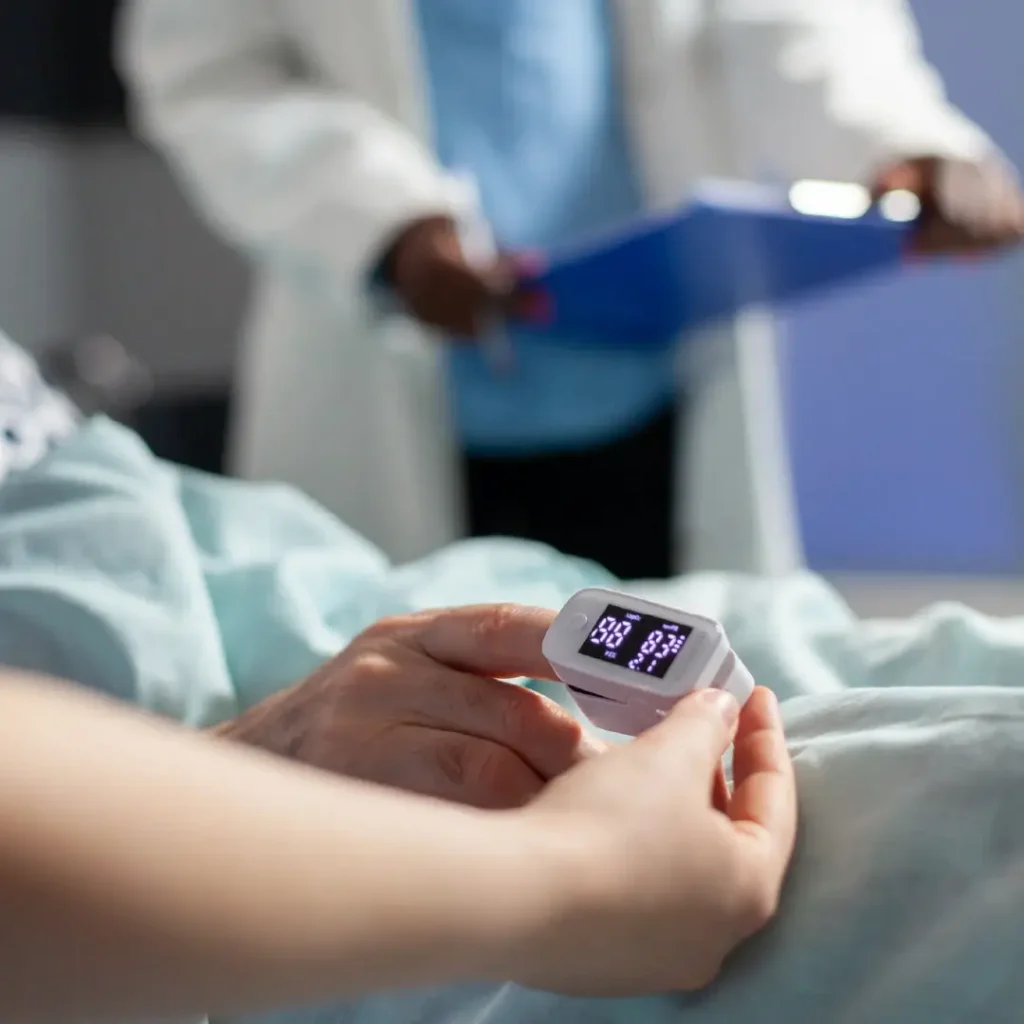
Why site readiness is becoming a patient-centric issue
This is where the conversation connects directly to Axelerist.
Patient centricity does not end with protocol design.
It extends to execution.
A patient may be willing to participate.
A site may be approved.
But if equipment is delayed, logistics fail, calibration is incomplete, or operational readiness is lacking, the patient experience suffers.
As decentralized and hybrid trials become more common, this challenge grows.
Patient-centric trials increasingly depend on:
- site readiness
- equipment availability
- local sourcing capability
- last-mile execution
- operational visibility
- decentralized support models
In other words, patient centricity is no longer just a design principle.
It is an operational responsibility.
And that responsibility begins long before a patient arrives for their first study visit.
Conclusion
Patient centricity has evolved from a research philosophy into a practical requirement for modern clinical trials.
The evidence is increasingly clear: when patients are engaged as partners, studies can become more relevant, recruitment and retention can improve, and the resulting data can better reflect the realities of the populations treatments are designed to serve.
But patient centricity cannot stop at trial design.
A protocol may be thoughtfully constructed. Patient input may be incorporated. Study teams may be committed to reducing participant burden.
Yet if sites are not ready, equipment is unavailable, logistics break down, or execution creates unnecessary friction, the patient experience suffers—and so can the study.
As clinical trials become more decentralized, globally distributed, and operationally complex, the gap between patient-centric intentions and patient-centric execution becomes increasingly important.
The organizations that will succeed are those that recognize a simple truth:
Patient centricity is not just about how a trial is designed. It is about how a trial is delivered.
Because every operational decision ultimately affects a person—a patient who has volunteered their time, placed their trust in the research process, and may be waiting for a treatment that could change their life.
When execution works, participation becomes easier, data becomes stronger, and treatments get closer to the people who need them.
That is the promise of patient-centric clinical research, and it is worth getting right.